When a business in Orlando needs urgent control over keys, these notes were written for that exact situation. My perspective comes from field work with commercial clients and many late-night lock calls, not from brochures. Read on for practical steps, examples, and judgment calls that will help you regain control when keys go missing or access is threatened.
Why emergency key control matters for Orlando businesses
One misplaced key can turn into a liability faster than most managers expect. Whether you run a boutique or a multi-tenant office, losing key control creates similar risk profiles. Insurance can respond with higher premiums after a claim, and the financial hit typically exceeds the immediate cost of changing access hardware.
Immediate actions to regain control when a key is lost
Reach out to a 24 hour locksmith with commercial experience, and immediately limit further access while you assess the situation. If the lost key is a master key or opens multiple doors, assume compromise and escalate to cylinder replacement or controlled-key hardware. Write down exactly when and how the key was noticed missing and which doors are affected, since that record will help the locksmith and any insurer.

Sizing the problem: simple lost key or a systemic compromise
When only one office key is gone, you can often limit changes to that cylinder and a few adjacent doors. A missing master key requires a different approach because it may unlock several or all internal doors; a targeted rekey is often impractical. Base your decision on the number of affected doors, the assets at risk, and the logistical window you have for making changes.
Practical remediation paths and what you give up or gain with each
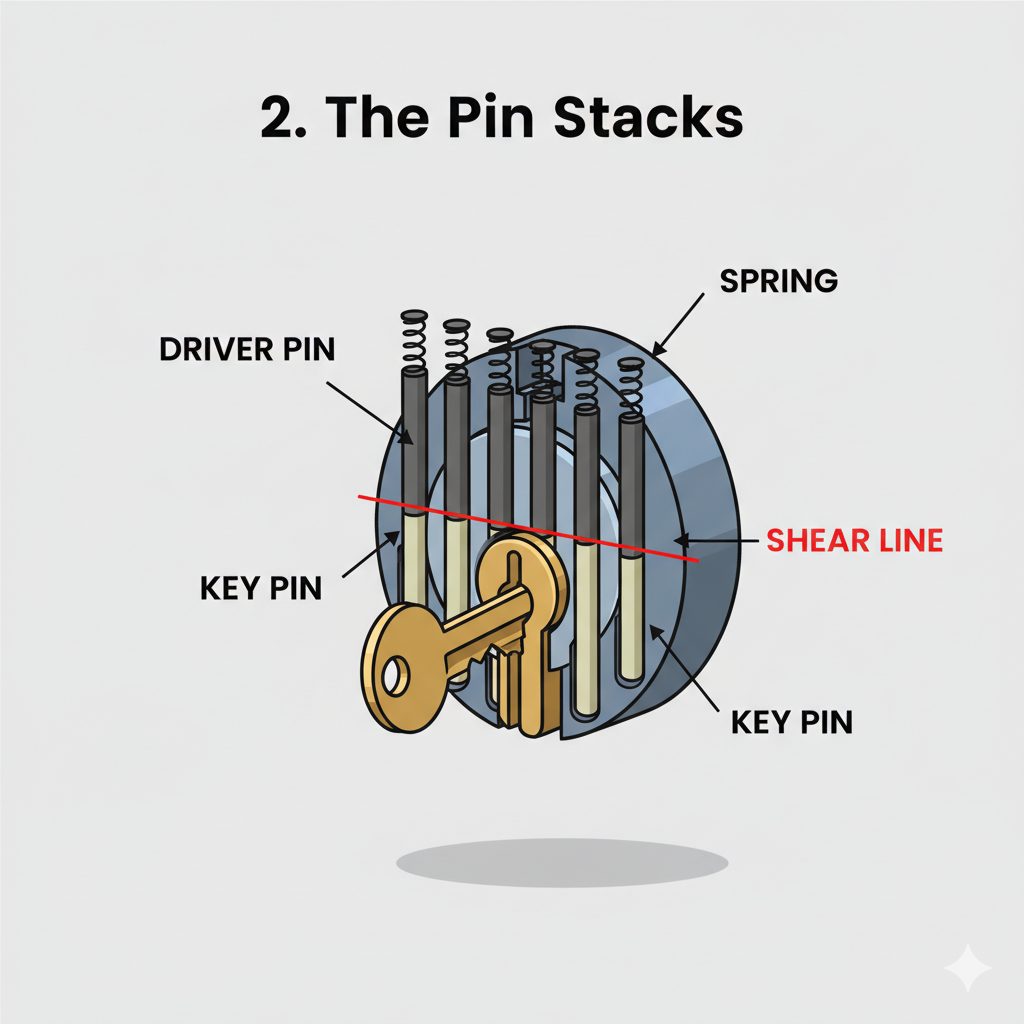
Rekeying swaps the https://jsbin.com/neyibojako internal pinning so the old key stops working, and it is cost effective but leaves older locks in service. Cylinder replacement refreshes the keying with less disruption than full lock replacement, though it requires compatible parts and stock. A restricted key program is a long-term solution that limits unauthorized copies, but expect higher upfront expense and some administrative work. Electronic locks or badge systems remove many physical key headaches and provide logs, yet they require upfront investment and ongoing technical maintenance.
How a 24 hour locksmith Orlando service can help after hours
A 24 hour locksmith with commercial experience brings parts, field-tested procedures, and the ability to act quickly when a key crisis happens outside business hours. A good locksmith provides stopgap security to reduce immediate risk and then follows up with permanent fixes at a scheduled time. Ask about liability insurance, commercial references, and whether they can work with your insurer, because paperwork matters after a loss.
Handling master keys and multi-tenant situations in practical terms
If a single master key grants access across many doors, replacing or rekeying only a few cylinders can leave you exposed to overlooked vulnerabilities. A full system rekey yields a clean slate where each key level is verifiable, at the expense of higher immediate costs. Consult management and leases to avoid breaching tenant rights when you change shared access or common-area hardware.
Controlled keyways and restricted keys explained with examples
By enforcing a restricted keyway, duplication becomes a managed process requiring permissions and vendor oversight. A client of mine switched to patented blanks and saw a drop in unauthorized copies, largely because staff could no longer walk into a big-box store and order copies. Expect to trade flexibility for control, because restricted keyways require certified channels for new keys and additional purchase steps.
Electronic access as a longer-term strategy for emergency control
Badge or credential systems let you turn off an individual's access the moment a credential is lost, which is a major advantage during emergencies. A shift to electronic locks requires contingency planning, such as battery backup and a tested emergency override process. Begin with high-risk zones and expand once staff are comfortable and administrative processes are in place.
Training staff and tightening procedures after an incident
A clear key control policy binds staff to check-in/check-out rules, inventory requirements, and lost-key reporting procedures. Teach employees the reasons behind restricted key policies and the exact steps to report lost or suspicious key activity to ensure fast containment. Store high-risk keys in a locked cabinet with a sign-out log or an electronic key management box to track who had which key and when.
How to plan budgets for rekeying and upgrades without waste
Budget small rekey jobs in the low hundreds per lock, and plan for multi-thousand-dollar ranges when whole-system work is needed. Weigh the higher upfront expense of control systems against the recurring cost and risk of open duplication opportunities. Paying for emergency service can be cheaper than dealing with the consequences of a forced closure or a theft.
An account from an Orlando shopkeeper who faced a midnight key crisis
A boutique I worked with misplaced a master key late on a Saturday and called an emergency locksmith who promised to secure the store until Monday morning. The locksmith installed a temporary core on the storefront door, secured the safe with a secondary lock, and scheduled a full rekey of the master system for Monday, which balanced risk and cost. By staging the response, the shop stayed open and regained full control during business hours, demonstrating how practical containment preserves operations.
Vendor vetting checklist that actually matters
Ask whether the locksmith has commercial master-key experience, carries commercial parts, and can provide references from other business clients. Request proof of insurance and a clear, written estimate that distinguishes emergency fees, parts, and follow-up work to avoid surprises. Avoid contractors who dodge credential requests, provide weak timelines, or push pricey upgrades without a clear rationale.
A short operational checklist you can use tonight if a key goes missing
Contact a commercial 24 hour locksmith with master-key and restricted-key experience as your first step. Protect inventory immediately and create a written incident log with times and witness names to support remediation. Pick the appropriate remedy for the affected key system and schedule the change, balancing cost, disruption, and security needs.
A lost key does not have to become a catastrophe if you act with speed, the right vendor, and clear priorities. Take the time to codify the lessons into a simple key control policy and a preferred vendor list so the next incident is routine rather than chaotic. A site survey that maps doors, key levels, and tenant needs will give you a clear cost-benefit picture for rekeying, restricted keyways, or electronic conversion.